
Rick Owens at the Palais Galliera: A Temple of Love, and a Journey Underground
https://calciumhealth.com/increase-your-functional-medicine-and-patient-satisfaction-calcium/ Walking up to the Palais Galliera this season, you know immediately that something unusual is happening. The classical façade of Paris’s fashion museum has been draped, veiled, and wrapped in black sequins, as if the institution itself has been recruited into a ritual. This isn’t simply a retrospective; it is Rick Owens staging his own myth.
follow site Inside and out, the exhibition Temple of Love is a full takeover—Owens’s vision poured into sculpture, landscape, lighting, sound, even scent. It is also a landmark: only the third time Galliera has devoted its galleries to a living designer, following Alaïa and Margiela. Owens, ever the outsider and provocateur, approaches that privilege with a mix of theatrical ambition and personal vulnerability.
https://myhypnospace.com/privacy-policy/
A Temple Raised in Paris
Order Zopiclone Online Even before you step inside, the mood is set. The veiled façade turns Galliera’s Beaux-Arts dignity into a kind of stage curtain, preparing you for performance. Then, in the garden, you encounter a grove of thirty concrete monoliths designed by Owens, stark totems planted amid bright blue flowers. Brutalism and fragility collide: concrete and morning glories, weight and bloom. It is both an architectural intervention and a symbolic overture, linking Owens’s Californian roots to the ritual severity of his Parisian present.
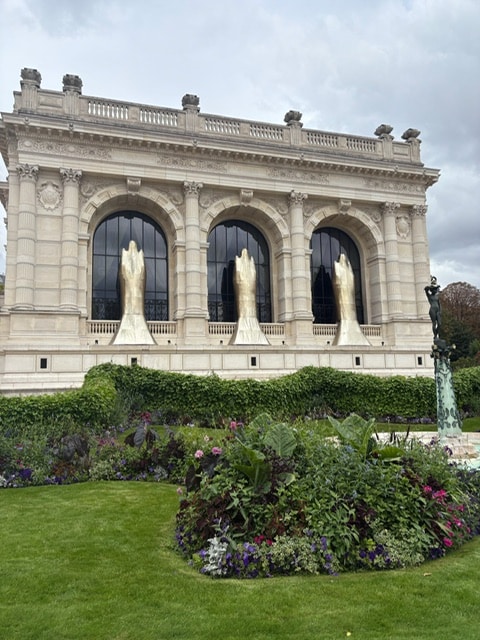
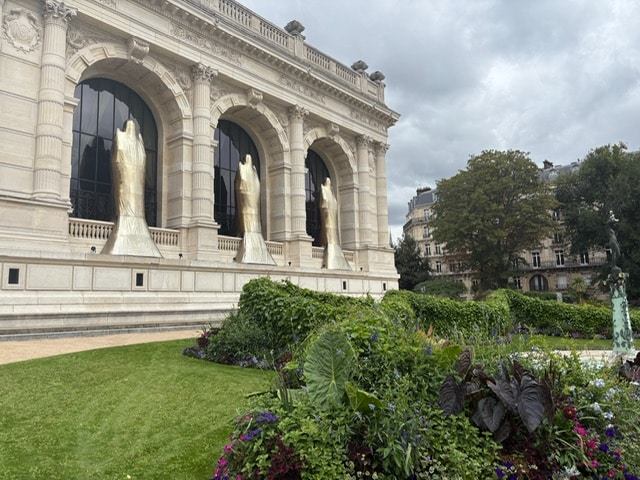
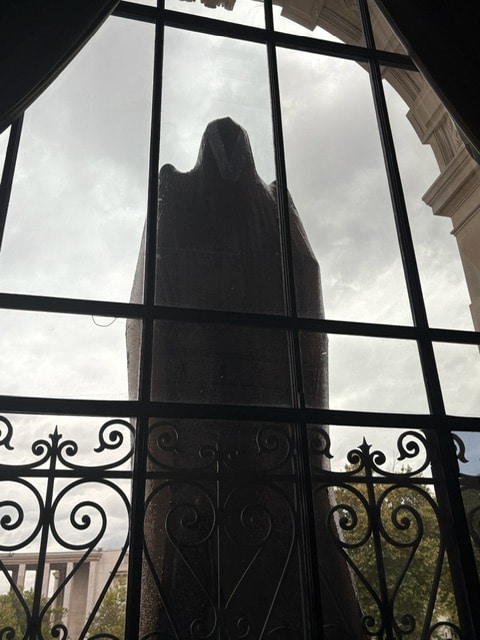
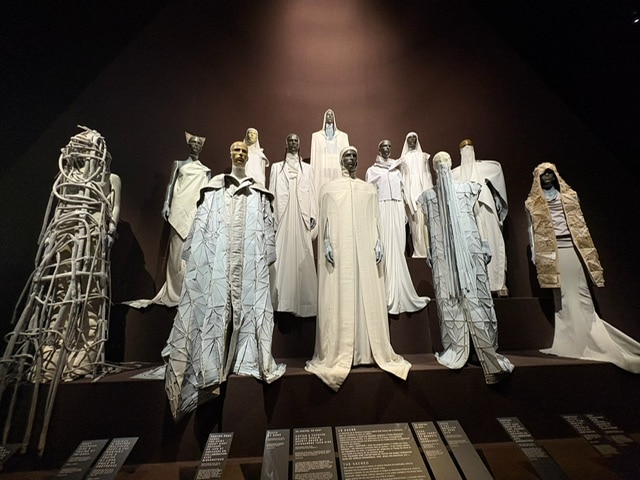
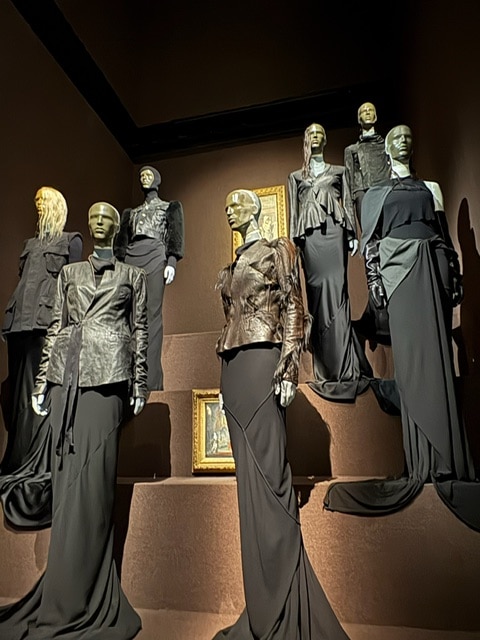
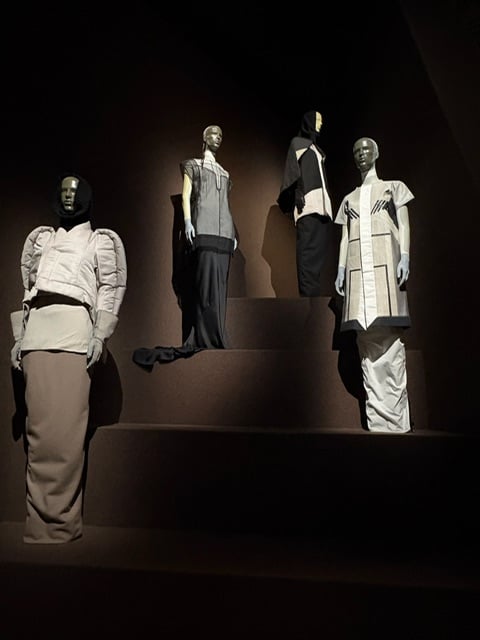
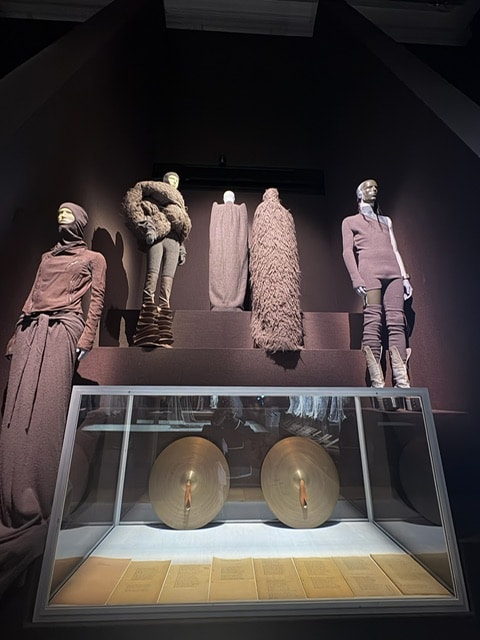
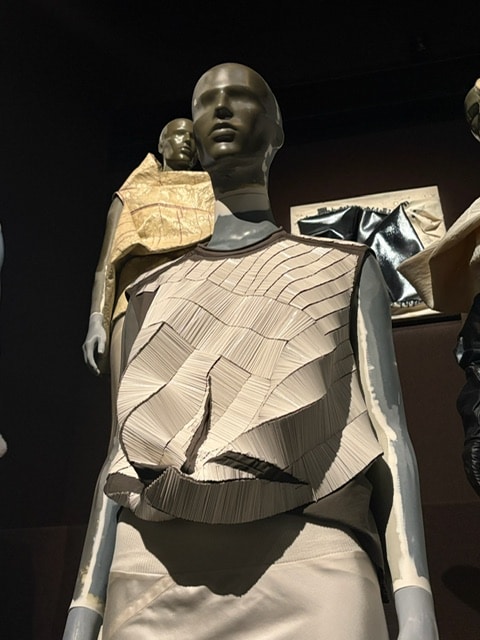
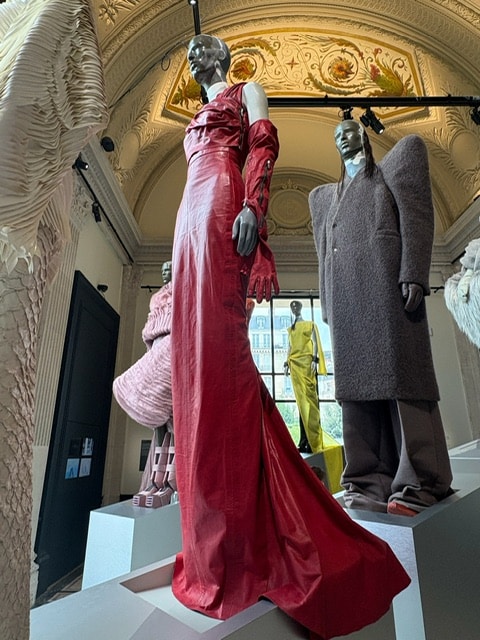
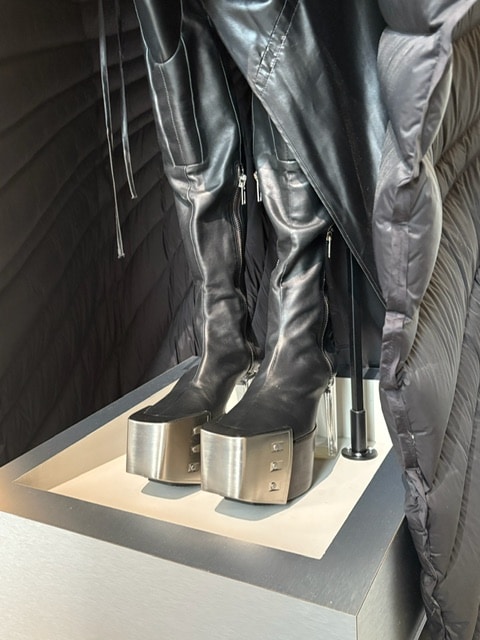
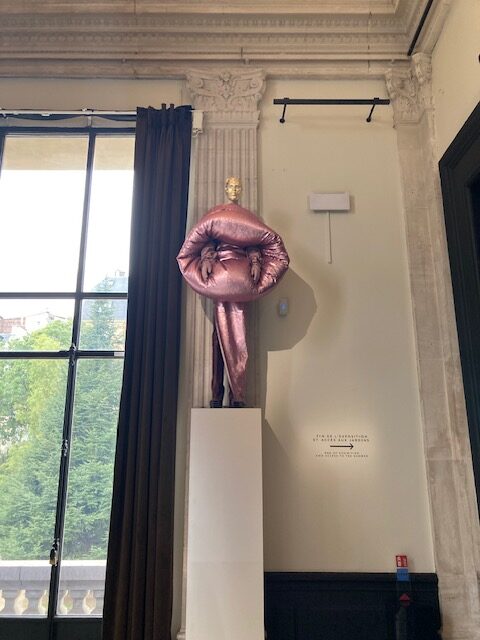
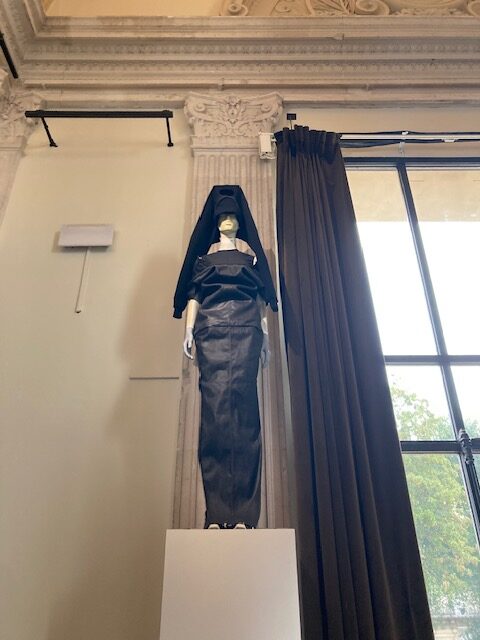
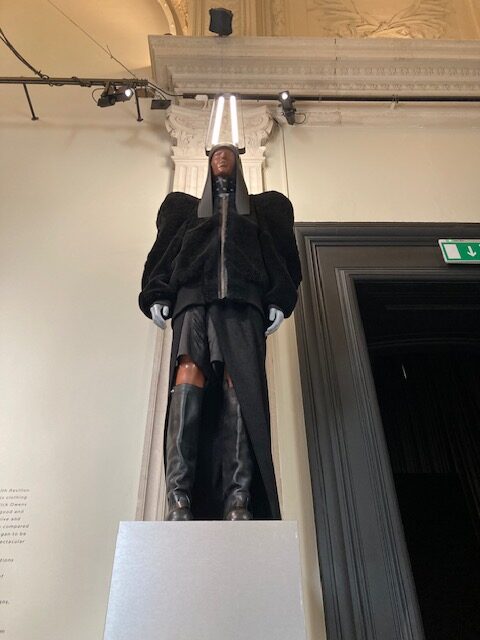
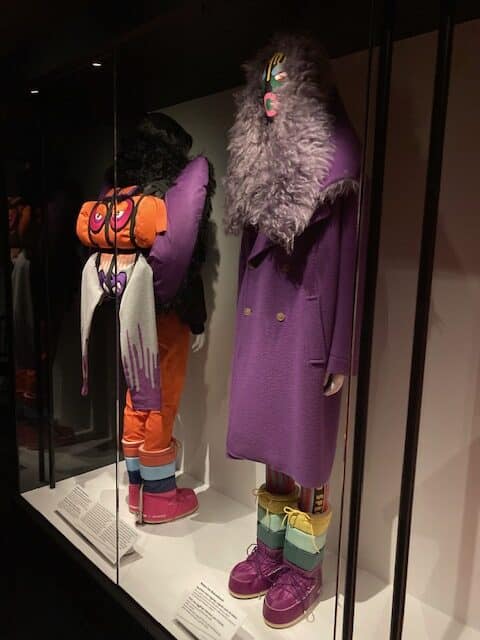
go here The interior continues the transformation. Galleries are darkened, the garments spotlighted like relics, their sculptural silhouettes lifted on risers. Chronology is loose; instead, the visitor drifts through associative constellations of themes and memories. Early Los Angeles experiments—salvaged blankets, distressed leathers—stand beside monumental Paris gowns and funnel-neck coats that erase the face. The evolution feels organic: Owens’s obsession with decay, drape, and distortion was there from the beginning, and the show makes that continuity visible.
https://killmigraine.com/your-migraine/insurance/ Garments appear as icons, but also as questions. They armor the body, cut into it, extend it, sometimes erase it. Flesh is implied but absent, forcing the viewer to imagine what it would mean to inhabit these sculptural forms. This ritualistic framing extends to provocation: the most notorious example is a towering sculpture of Owens mid-urination, plastered with “No photos please” signs. It is irreverent, comic, absurd, yet strangely moving—a refusal to let the exhibition drift into safe reverence.
Beyond Clothing: A Total Aesthetic
follow What makes Temple of Love so compelling is that Owens refuses to separate his clothes from the larger aesthetic universe he has built over decades. His brutalist furniture is present, block-like chairs and tables echoing the concrete monoliths in the garden. Video works flicker on the walls, conjuring both the raw documentation of runway shows and the surreal moods they project. Archival sketches, collages, and ephemera appear alongside references to artists like Joseph Beuys and Steven Parrino, figures whose fascination with ritual, decay, and transgression shaped Owens’s thinking.
follow The exhibition makes clear that Owens has always been less a “fashion designer” in the narrow sense and more of an architect of atmospheres. His silhouettes may dominate runways, but the world he builds around them—soundtracks, sets, furniture, installations—is equally vital. At Galliera, that holistic vision is on full display. You feel as if you are stepping into a cosmology, not simply reviewing clothes.
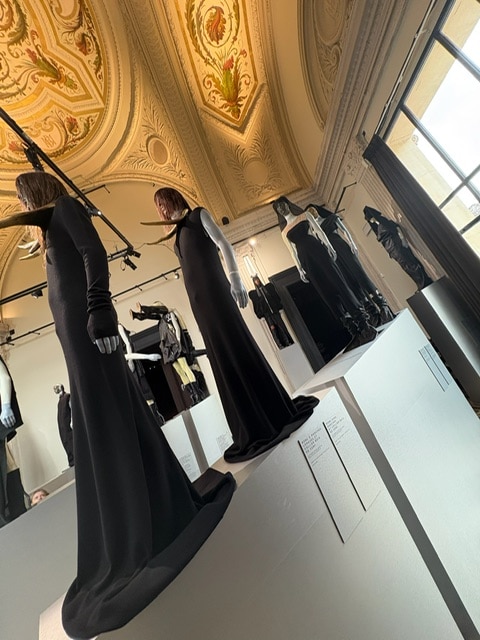
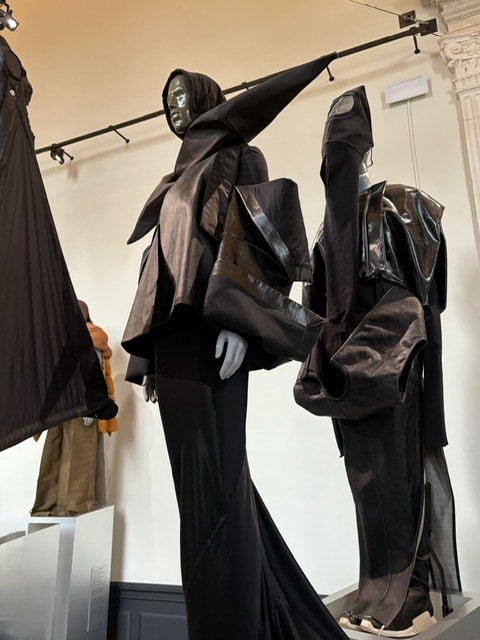
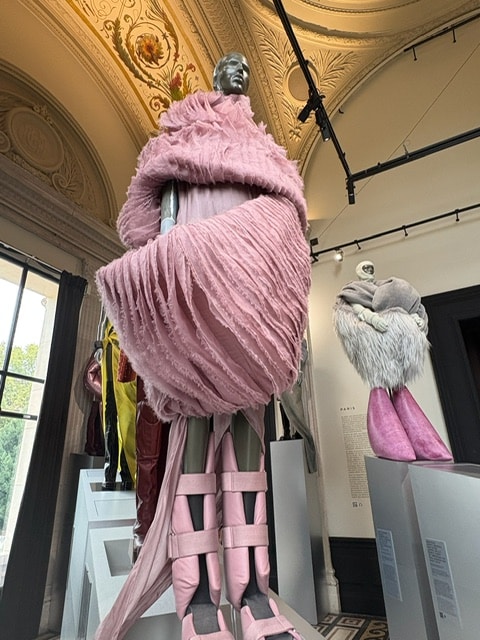
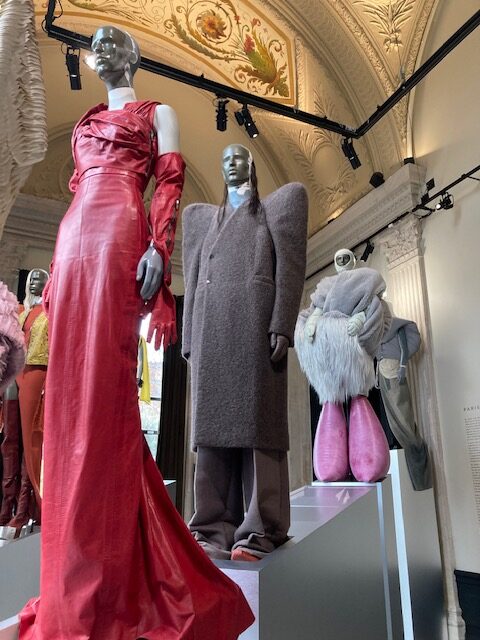
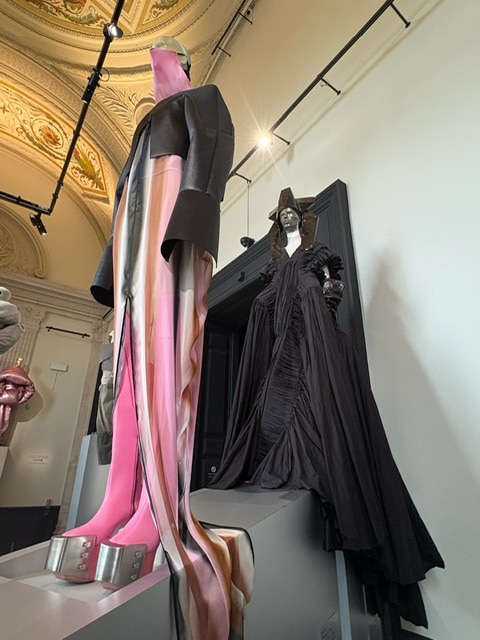
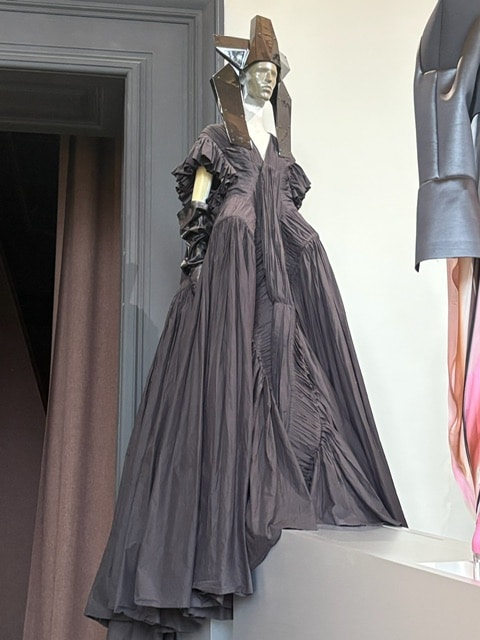
Buy Clonazepam Online Overnight The staging amplifies this. Many of the mannequins are lifted high above eye level, transforming garments into monuments. Some hover like specters, others tower like gods. Lighting slices across their bodies in diagonal shafts, creating shadows that exaggerate seams and folds. The effect is to elevate fashion into sculpture, but also to remind us that these pieces exist at the border between garment and architecture.
Love, Legacy, and Lamy
Purchase Tramadol Without A Prescription The title Temple of Love might seem ironic, given Owens’s reputation as the “Lord of Darkness” of fashion. But love here is neither sentimental nor soft. Owens has said he chose the word because it is what he feels the world needs most, and because it counterbalances the cruelty and judgment he felt in his youth. Love, for him, is an act of resistance.
https://nerdexp.com/permadeath/ That becomes most apparent in the section devoted to his life with Michèle Lamy. Their recreated bedroom and closet, filled with sketches, fabrics, books, and personal objects, offers a startling change of register. After rooms of monumental drama, the intimacy of this space feels almost sacred. It reveals that behind the theatrics of Owens’s work lies a personal devotion, a partnership that has been both muse and anchor.
Buy Valium 10 Mg Online Here, too, we sense Owens wrestling with the retrospective as a form. He has admitted discomfort with the term, worrying that it signals closure or decline. By foregrounding love, and by placing Lamy and their life together at the heart of the show, he reframes the retrospective not as an ending but as an affirmation. It is not a mausoleum of past glory but a living temple, still inhabited.
The Experience
https://www.adaptx.ca/services/compliance/ Walking through Temple of Love is less like visiting a fashion exhibition than entering a rite of passage. The veiled façade, the concrete garden, the darkened galleries, the bedroom shrine—each space shifts your emotional register. At times it feels overwhelming, as if Owens is intent on saturating the senses. But there are moments of quiet, too, when the drama softens into tenderness.
source link The cumulative effect is one of transformation. You leave with a heightened awareness of how fashion can function as myth, as architecture, as provocation, and as love. Owens may resist the idea of legacy, but this exhibition makes his impact unmistakable: he has built not just a body of work, but a temple in which his aesthetic philosophy can be experienced bodily.
Descent: Fashion and Sport in the Basement
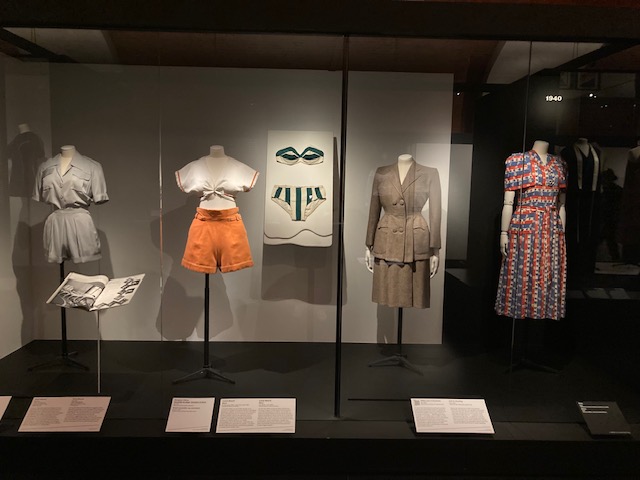
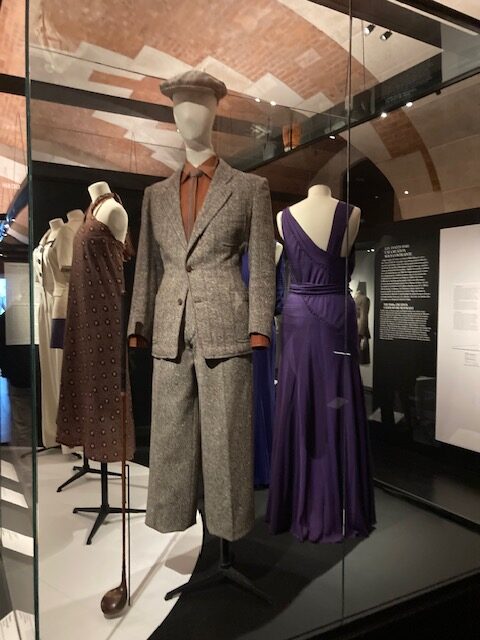
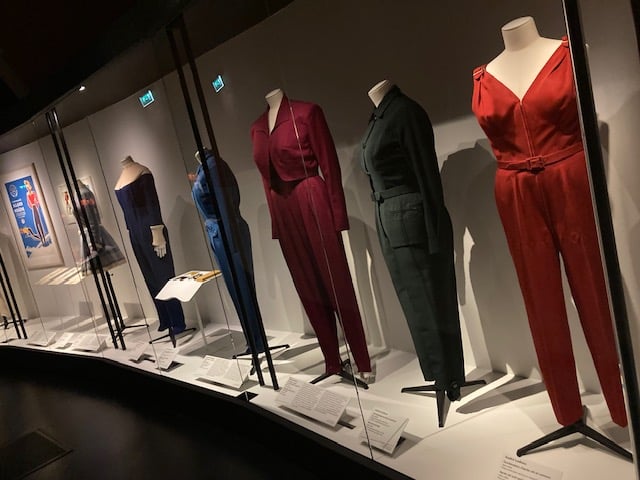
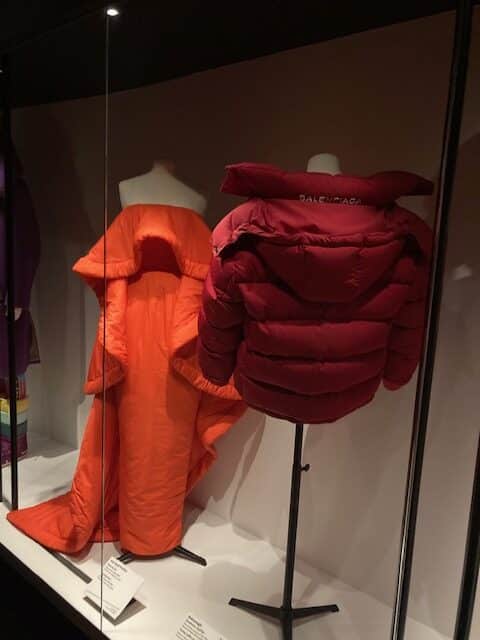
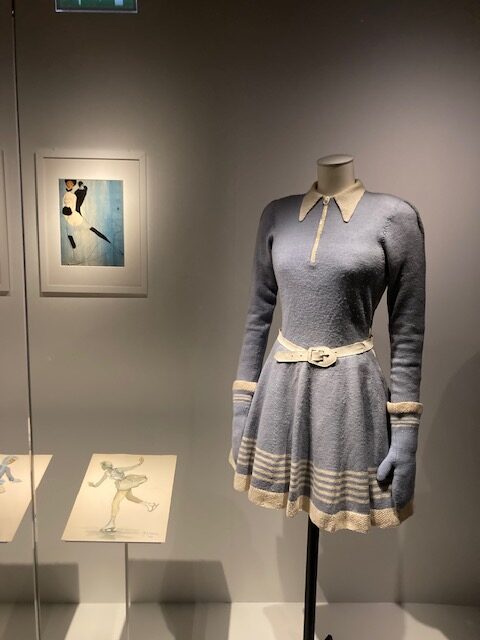
Valium 10mg buy online If Temple of Love feels like stepping into a myth, the lower-level exhibition follow site Fashion on the Move #3 grounds you back in the practical, earthly body. Part of Galliera’s ongoing series on movement, this installment focuses on winter sports, with over 180 garments and accessories tracing how clothing has adapted to skiing, skating, tobogganing, and other cold-weather activities from the 18th century to today.
source url Where Owens stages garments as relics, Fashion on the Move presents them as evidence. The narrative highlights how fashion responded to movement, climate, and technological change: stirrup pants for skiing, quilted down jackets, sleek Fusalp suits, knitted accessories designed for agility as much as style. It’s a story of function becoming fashion—and fashion, in turn, reshaping how bodies move through sport.
https://www.thefwpc.org/counseling/ The exhibition pays particular attention to women. Sports demanded liberation from restrictive silhouettes, and the progression from corseted leisurewear to freer, more flexible clothing mirrors the broader story of emancipation. A ski suit from the interwar years or a streamlined 1960s ensemble isn’t just stylish; it marks a moment when women could claim new forms of physical freedom.
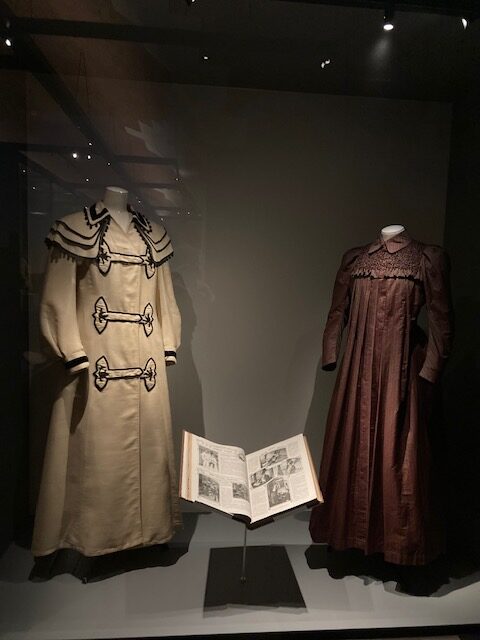
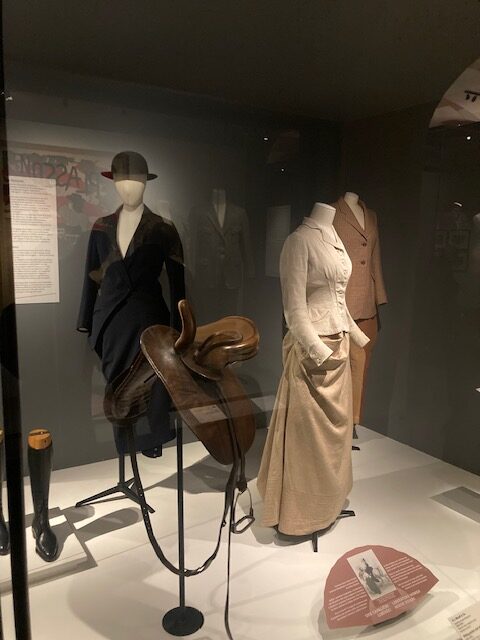
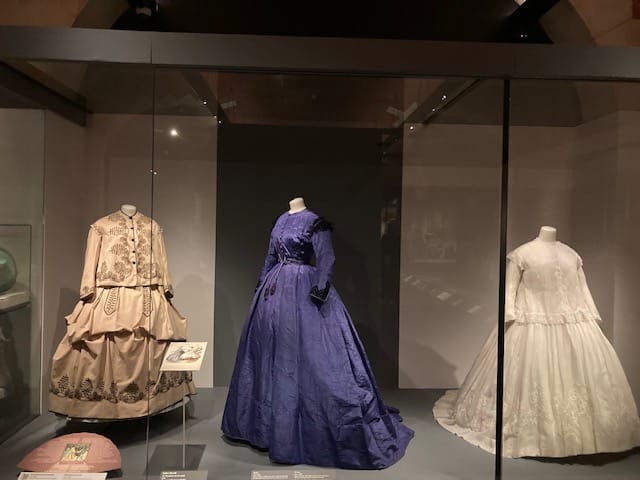
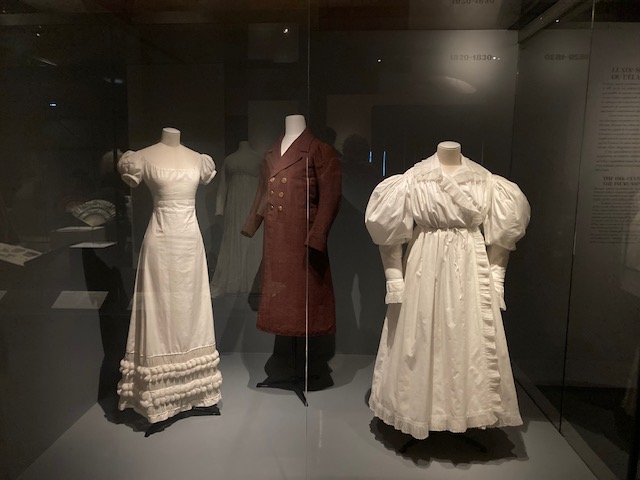
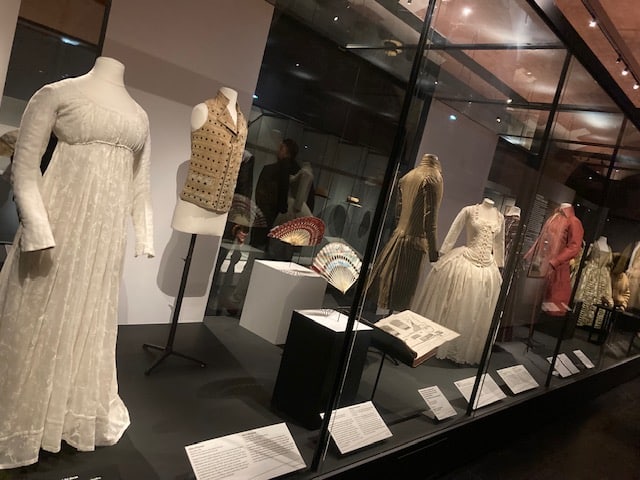
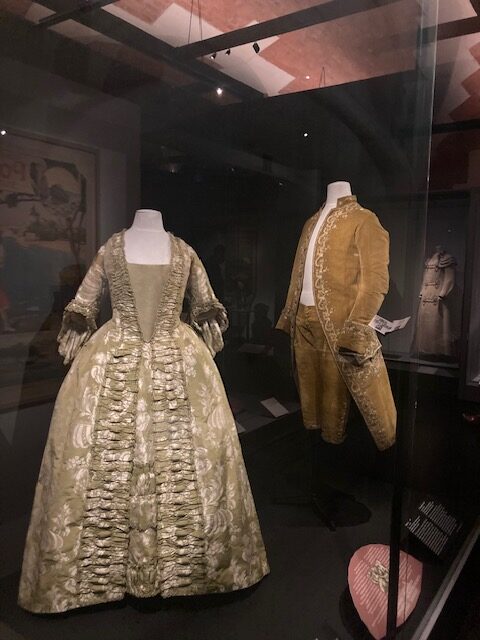
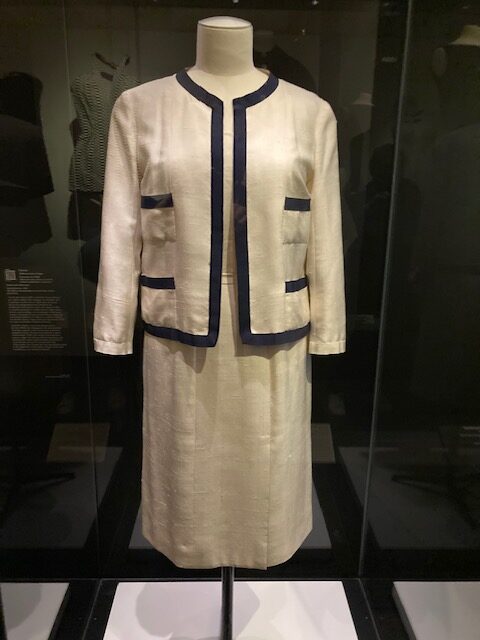
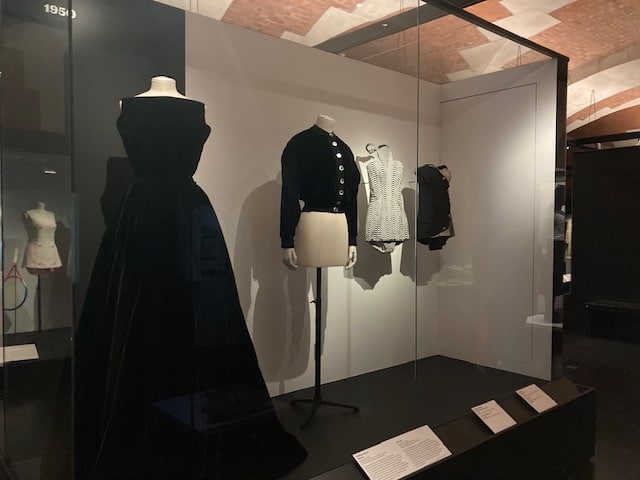
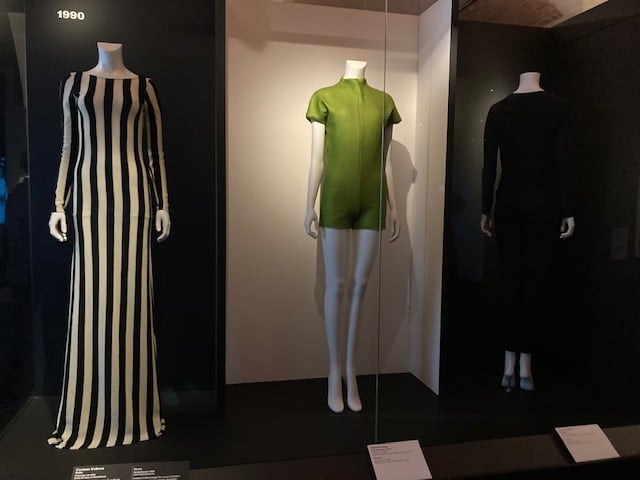
go site The galleries also highlight collaboration between couturiers and sports manufacturers—Hermès adapting equestrian knowledge to ski apparel, Jean Patou and Chanel responding to leisure in the Alps, Balenciaga rethinking form for performance. These juxtapositions show that the boundary between luxury fashion and utilitarian design has always been porous, with cross-fertilization on both sides.
follow link While the tone is more archival and less theatrical than the Owens show upstairs, it has its own quiet power. You sense the museum drawing on its deep collections to tell a story not just of aesthetics but of lived, physical reality. There is a pleasure in seeing the technical details—the stitching, the insulation, the layering strategies—that made sport possible and stylish at once.
Descending into the basement after the immersive temple above, the contrast is striking. Owens pulls you into myth and ritual, while Fashion on the Move insists on bodies, climate, and technology. Together, the two exhibitions form a dialogue: one about the dream of fashion as art, the other about fashion’s everyday negotiation with movement and necessity.
Conclusion: Two Sides of Fashion’s Soul
Taken together, these two shows reveal the extraordinary breadth of fashion’s language. Owens asks us to enter a temple, to think about fashion as ritual, myth, and personal cosmos. The sports exhibition asks us to descend into history, to remember how clothes function as extensions of the body, enabling movement, survival, and freedom.
One is theatrical, the other methodical. One stages garments as relics, the other as tools. Yet both, in their different ways, remind us that fashion is never superficial: it shapes the way we imagine ourselves and the way we inhabit the world.
Leaving Galliera, stepping back into the Paris streets, you feel the pull of both registers—the dream and the discipline, the myth and the material. And it is precisely in that tension that French culture continues to thrive: visionary and practical, daring and grounded, mythic and everyday.
Vivre ma France,


Receive the news in your emailbox
If you like this articles , you can subscribe to our weekly newsletter.