
Viennoiseries: France’s Most Delicious Morning Tradition
Few things are more synonymous with France than the sight of someone emerging from a neighbourhood boulangerie carrying a paper bag filled with warm pastries. Whether it is a croissant enjoyed with a morning coffee, a pain au chocolat purchased on the way to work, or a brioche shared with family at the weekend, these baked goods form part of a daily ritual that is deeply woven into French culture. Collectively, they are known as viennoiseries, a category of pastries that sits somewhere between bread and dessert, distinguished by the use of enriched doughs containing ingredients such as butter, eggs, milk, and sugar.
The name itself may come as a surprise. Viennoiserie literally means “from Vienna,” and while these pastries are now considered an integral part of French gastronomy, many of their roots lie in Austria. Over time, French bakers adopted and refined these recipes, transforming them into the buttery masterpieces we know today. The result is a category of baked goods that has become so closely associated with France that many visitors assume they originated there entirely.
If you’re wondering how to say the word, you’re certainly not alone. Pronounced approximately vee-en-wah-zuh-ree, viennoiseries can be a bit of a tongue twister for English speakers. Once you’ve mastered it, however, you’ll find yourself using it frequently during any stay in France, particularly when standing in front of a bakery display case trying to decide between a croissant, a pain au chocolat, or one of the many other temptations on offer.
Today, every boulangerie worth visiting offers a tempting array of viennoiseries. From croissants and pains au chocolat to chaussons aux pommes and pains aux raisins, these pastries are among the most beloved products sold in bakeries across the country. They may seem like simple breakfast items, but behind each one lies centuries of history, remarkable technical skill, and an enduring commitment to quality.
The Austrian Origins of a French Icon
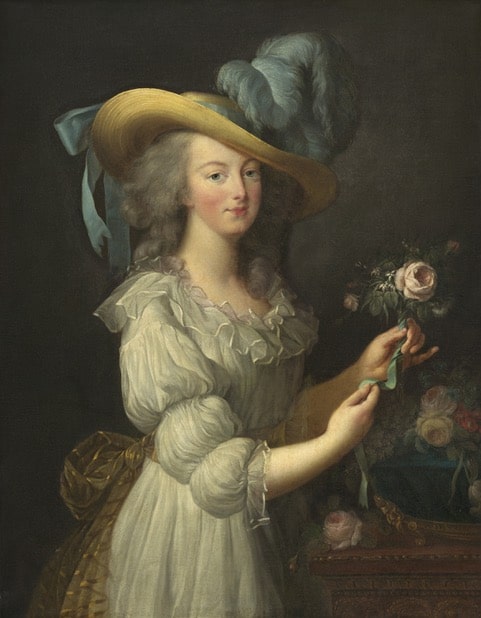
One of the most enduring stories surrounding the croissant involves the Austrian-born Queen of France, Marie Antoinette. According to popular legend, when she arrived in France in 1770 to marry the future Louis XVI, she missed the pastries of her homeland and introduced the Austrian kipferl to the French court. The story has been repeated for generations and remains one of the most common explanations for how the croissant arrived in France.
While the tale is certainly appealing, historians have found little evidence to support it. Crescent-shaped pastries were already common throughout Austria long before Marie Antoinette’s birth, and the buttery croissant we know today would not emerge until decades after her death during the French Revolution. Nevertheless, the story highlights an important truth: the croissant’s roots are indeed Austrian, even if its journey to becoming a French icon was rather more complicated than legend suggests.
The connection between Austria and France became particularly important during the nineteenth century when Austrian entrepreneur August Zang opened a Viennese bakery in Paris. His establishment introduced Parisians to a variety of Austrian breads and pastries, which quickly gained popularity. French bakers embraced these influences but, as they often do, adapted and refined them using their own techniques and ingredients.
Rather than simply copying Austrian recipes, French bakers transformed them. The introduction of laminated dough, generous amounts of high-quality butter, and increasingly sophisticated baking techniques eventually gave rise to the modern croissant. This ability to adopt foreign influences and turn them into something uniquely French is one of the great strengths of French cuisine. While the croissant’s ancestry may be Austrian, the pastry that emerges from a French bakery today is very much a French creation.

The Art of the Perfect Croissant
At first glance, a croissant seems deceptively simple. It contains only a handful of ingredients—flour, yeast, milk, sugar, salt, and butter. Yet producing a truly exceptional croissant is one of the greatest challenges in baking. The secret lies in the process of lamination, whereby layers of butter are repeatedly folded into dough to create hundreds of delicate layers.
During baking, the water contained within the butter turns to steam, forcing the layers apart and creating the airy structure that gives a croissant its distinctive texture. When done properly, the result is extraordinary. The exterior should be crisp and deeply golden, while the interior remains light and honeycombed, with a rich buttery flavour that lingers long after the final bite.
French bakers take immense pride in their croissants, and competitions are held every year to determine the best examples in various regions of the country. For many French people, finding the perfect croissant becomes something of a personal mission. Ask a local where to find the best one in town and you are likely to receive a passionate answer, often accompanied by detailed explanations about butter content, flakiness, and baking techniques.
Of course, not all croissants are created equal. Many industrial bakeries and supermarkets now sell mass-produced versions that bear little resemblance to those made by artisan bakers. A true French croissant should be made with pure butter, not margarine, and should reveal dozens of visible layers when torn apart. It is one of those foods where quality matters enormously, and once you have experienced a truly exceptional croissant, it becomes difficult to settle for anything less.
If there is one piece of advice I can give anyone visiting France, it is this: never buy your croissants from the supermarket. While many French grocery stores sell croissants in their bakery sections, a large number are made using margarine rather than butter in order to reduce costs and increase shelf life. The difference is immediately noticeable. Margarine croissants tend to be heavier, less flaky, and lack the rich aroma and delicate texture that make a proper French croissant such a pleasure. When shopping, look for the words pur beurre (“pure butter”), which indicate the pastry has been made with real butter. Better yet, skip the supermarket entirely and visit a local boulangerie. For just a few extra centimes, you’ll enjoy a pastry made fresh that morning by a skilled baker, and once you’ve tasted the difference, you’ll never go back.

Pain au Chocolat or Chocolatine?
If the croissant is the undisputed king of the French breakfast table, then the pain au chocolat is surely its closest rival. Made from the same laminated dough, this rectangular pastry encloses two bars of dark chocolate that soften slightly during baking, creating a perfect contrast between rich chocolate and buttery pastry.
For many children growing up in France, the pain au chocolat is the ultimate treat, whether enjoyed before school, during a family outing, or as an afternoon snack. Adults are often just as enthusiastic, making it one of the most popular bakery purchases throughout the country.
The pastry is also famous for inspiring one of France’s most enduring culinary debates. Across most of the country, it is called a pain au chocolat, but in parts of southwestern France, particularly around Toulouse and Bordeaux, many people insist on calling it a chocolatine. The disagreement has become something of a national pastime, generating endless friendly arguments and amusing discussions. Regardless of which side of the debate one supports, however, there is no dispute about its popularity.
Warm from the oven and paired with a café crème, a pain au chocolat represents one of life’s simplest pleasures. It is also one of the pastries that visitors most frequently seek out upon arriving in France, eager to discover whether it truly tastes better here than back home. In most cases, the answer is an emphatic yes.

Beyond the Classics
While croissants and pains au chocolat dominate international perceptions of French bakeries, they represent only part of the story. Step into a traditional boulangerie and you will discover an impressive range of other viennoiseries that deserve equal attention.
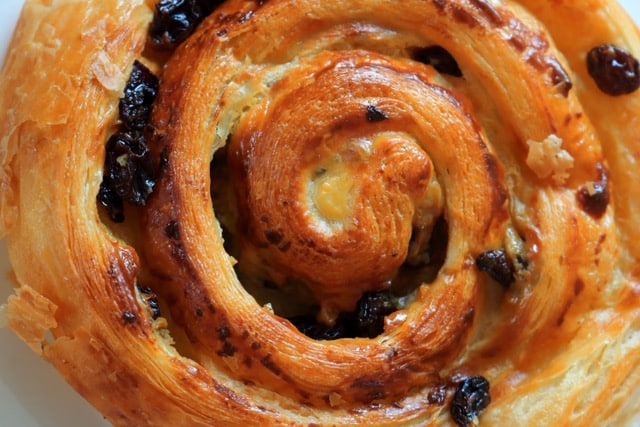
The pain aux raisins is one such example. Made from spiralled laminated dough filled with pastry cream and raisins, it offers a richer, creamier experience than a croissant while retaining the same flaky texture. It has long been a favourite among French families and remains a staple of bakery displays throughout the country.
Another classic is the chausson aux pommes, a turnover filled with smooth apple compote and enclosed in flaky pastry. Particularly popular during the cooler months, it combines comforting fruit flavours with buttery richness. Meanwhile, brioche occupies a category all its own. Made with generous amounts of butter and eggs, it has a soft, tender texture that makes it suitable for breakfast, brunch, or even certain savoury preparations.
Depending on the region, you may also encounter specialities such as sugar-topped brioches, praline-filled pastries, or local interpretations that have been passed down through generations. One of the joys of travelling through France is discovering how each region puts its own subtle twist on these beloved classics.



The Rise of the Almond Croissant
One of the most beloved modern viennoiseries is the almond croissant, or croissant aux amandes. Interestingly, its origins are rooted not in luxury but in practicality. Bakers traditionally sought ways to use unsold croissants from the previous day rather than allowing them to go to waste. By slicing them open, soaking them lightly in syrup, filling them with almond cream, topping them with sliced almonds, and baking them again, they created something entirely new.
The result proved so successful that almond croissants are now often sought out in their own right. Rich, indulgent, and fragrant with almonds, they blur the line between breakfast pastry and dessert. In many bakeries, they have become nearly as popular as traditional croissants, demonstrating how innovation often emerges from the simplest of solutions.
This approach reflects a broader aspect of French culinary culture, where resourcefulness and creativity frequently go hand in hand. Some of the country’s most beloved dishes and pastries originated not from extravagance but from finding elegant ways to make use of what was already available.


The Importance of the Local Boulangerie
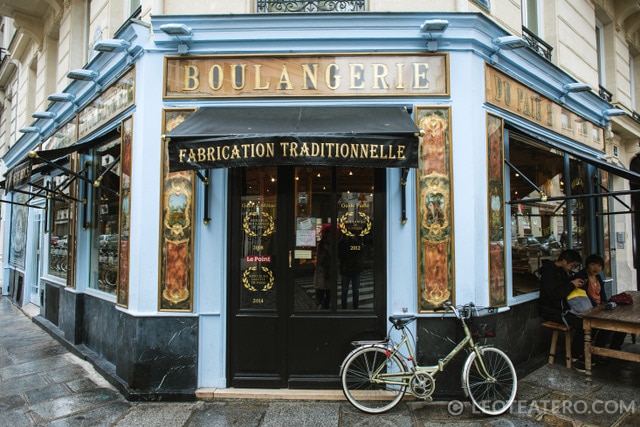
Perhaps the most fascinating aspect of viennoiseries is not the pastries themselves but the role they play within French society. Across the country, the local boulangerie remains one of the most important institutions in daily life. Every morning, people stop by on their way to work, school, or appointments, picking up fresh bread and pastries while exchanging greetings with neighbours and familiar faces.
In smaller towns and villages, the bakery often functions as a community hub, a place where local news is exchanged and social connections are maintained. Even in larger cities, regular customers frequently develop relationships with their bakers, returning day after day for the same products and the same sense of routine.
This enduring importance helps explain why artisan bakeries continue to thrive despite competition from supermarkets and large chains. The French place enormous value on freshness and craftsmanship, and many are willing to go out of their way to support independent bakers who continue to uphold traditional methods. The daily visit to the boulangerie is not merely a shopping trip; it is a small ritual that connects people to their neighbourhoods and to one another.

Butter: The Secret Ingredient
No discussion of French viennoiseries would be complete without mentioning butter. It is, quite simply, the ingredient that defines many of these pastries. The quality of the butter used has a profound effect on flavour, texture, and overall quality, which is why many artisan bakers insist on using premium French butter from regions such as Normandy and Brittany.
Visitors often remark that croissants taste better in France than elsewhere, and while nostalgia and atmosphere certainly play a role, the quality of the ingredients cannot be overlooked. French butter, renowned for its richness and high fat content, contributes significantly to the flavour and texture that people associate with authentic French pastries.
What many people don’t realize is just how much work goes into creating a croissant. The magic lies in a technique known as lamination, where a sheet of butter is enclosed within the dough and then repeatedly rolled out and folded over itself. By the end of the process, the dough and butter have been layered dozens of times—often resulting in more than 40 individual layers. During baking, the moisture in the butter turns to steam, forcing these delicate layers apart and creating the light, flaky texture that makes a croissant so irresistible. It is a labour-intensive process that requires both patience and precision, but the results are well worth the effort.


Combined with generations of technical expertise, these ingredients help explain why French bakeries continue to set the global standard for viennoiseries. In France, excellence often begins with respecting the raw ingredients, and nowhere is that more evident than in the humble croissant.
Viennoiseries in Modern France
Although steeped in tradition, French baking is far from stagnant. Modern boulangeries frequently experiment with new flavours and combinations, offering pistachio croissants, raspberry-filled pastries, praline brioches, and a wide range of seasonal creations. Some bakeries have even introduced vegan alternatives to meet changing consumer preferences.
Yet despite these innovations, the classics remain firmly at the heart of French bakery culture. Every morning, millions of people continue to purchase the same pastries enjoyed by their parents and grandparents. The croissant remains king, the pain au chocolat remains indispensable, and the simple pleasure of a freshly baked pastry remains one of the country’s most cherished traditions.
At the same time, there has been a renewed appreciation for artisan production. Consumers increasingly seek out bakeries that make their pastries from scratch using traditional methods rather than relying on frozen industrial products. This return to craftsmanship has helped preserve many of the skills and techniques that have made French baking famous around the world.


A Taste of Everyday France
For visitors, there are few better ways to experience authentic French culture than by visiting a local bakery early in the morning. Skip the hotel buffet for a day and instead join the queue at a neighbourhood boulangerie. Order a croissant, a pain au chocolat, and perhaps something unfamiliar. Then find a nearby café terrace or park bench and watch the town come to life around you.
In that simple moment, you will understand that viennoiseries are about far more than food. They represent craftsmanship, tradition, community, and an appreciation for everyday pleasures that lies at the very heart of French life. While France may be celebrated for its grand restaurants and celebrated chefs, its true culinary soul is often found in these small daily rituals.
A perfectly made croissant may seem like a modest thing, but it embodies many of the values that define French gastronomy: patience, attention to detail, exceptional ingredients, and a belief that even the simplest pleasures deserve to be done well. Whether enjoyed in Paris, Lyon, Bordeaux, or here in Montpellier, a good viennoiserie is much more than breakfast—it is a delicious reminder of why French food culture continues to captivate the world.
The next time you find yourself standing in front of a boulangerie display case, take a moment to appreciate what lies behind those golden pastries. Each croissant, pain au chocolat, and brioche represents centuries of history, cultural exchange, technical mastery, and daily tradition. They may have begun as simple baked goods, but they have become one of France’s most enduring and delicious contributions to the world.
In France, butter isn’t just an ingredient—it’s practically a constitutional right.
Vivre ma France,


Receive the news in your emailbox
If you like this articles , you can subscribe to our weekly newsletter.